It often starts during a quiet evening—perhaps while brushing your child’s hair after a bath or sitting together on the couch. A tiny, dark speck moves among the strands, and panic sets in.
Your mind races. Could it be a head louse? A tick? Or something entirely unexpected? That moment of uncertainty can feel overwhelming—but it’s far more common than most parents realize.
In 2026, children are engaging with the outdoors more than ever. From school playgrounds and hiking trails to camping trips and backyard adventures, tiny hitchhikers—lice, ticks, and other insects—have become a normal part of active childhood.
The immediate panic is understandable. Parents want fast answers, clarity, and reassurance that their child is safe. Knowing how to identify the culprit and respond calmly is far more effective than rushing to drastic measures.
Step 1: Identify the Bug
Before applying harsh chemicals or making an urgent clinic visit, take a deep breath. Most scalp-dwelling insects fall into a few well-known categories, each with distinct signs and treatments suitable for modern families.
Carefully inspect the scalp under good lighting. Notice size, shape, color, movement, and attachment points—these details help distinguish lice, ticks, or accidental visitors, preventing unnecessary stress.
Suspect A: Head Louse (Pediculosis)
Appearance: Small, wingless, about the size of a sesame seed. Typically pale gray or tan. Lice cannot fly or jump and cling firmly to human hair, often near the neckline.
Signs: Tiny teardrop-shaped nits glued to hair shafts, usually behind the ears or at the nape of the neck. They do not flake off easily, and visibility may require parting hair or using a magnifying tool.
2026 Update: Some lice have developed resistance to older chemical treatments. Manual removal through wet combing is now the safest, most reliable method, eliminating the infestation without exposing children to toxins.
Suspect B: Tick
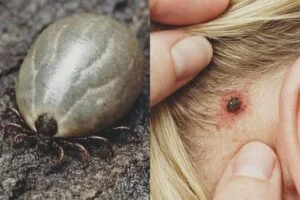
Appearance: Dark, flat, oval-shaped. If feeding, a tick may swell slightly, resembling a tiny gray bean. Unlike lice, ticks attach directly to the skin and remain motionless while feeding.
Signs: A tick embedded in the scalp is stationary and firmly attached. Removal with sterilized tweezers is essential to prevent disease transmission, including Lyme disease and Alpha-gal syndrome.
Why It Matters: Correct identification, careful removal, and monitoring for symptoms afterward ensure safety without unnecessary panic.
Suspect C: The Accidental Visitor
Appearance: Occasionally, small insects such as beetles or bed bugs may land in a child’s hair after outdoor play or resting on bedding.
Signs: Typically isolated, with no eggs or repeated sightings. These insects are temporary visitors and have no intention of living on the scalp. Observation and gentle removal are usually sufficient.
The Itching Myth
Contrary to popular belief, itching is not an immediate indicator of infestation. Lice or other insects may crawl on the scalp without causing a reaction for days or even weeks.
Cause: Irritation comes from an allergic response to bites or saliva, not movement itself. Some children never itch, emphasizing the importance of regular visual checks over relying solely on scratching as a warning.
Step 2: Calm, Safe Treatment in 2026
For lice:
Use wet combing: Apply conditioner to damp hair, then use a fine-toothed metal nit comb to methodically remove lice.
Repeat every 2–3 days for about two weeks to catch newly hatched lice.
Magnifying tools, patience, and a methodical approach are key.
For ticks:
Grasp with sterilized tweezers as close to the scalp as possible.
Pull steadily without twisting to avoid leaving mouthparts behind.
Drop ticks into rubbing alcohol to ensure they are no longer a threat.
For the home:
Lice cannot survive long off a human host.
Wash bedding, hats, and frequently used items in hot water. Wipe down toys and play areas.
Extreme household measures are usually unnecessary.
Step 3: Remove Stigma
Finding a bug often triggers embarrassment or shame. Parents worry about judgment—but lice, ticks, and insects indicate exposure, not hygiene failure.
Lice can thrive even in clean hair.
Ticks prefer active children exploring nature.
Presence is a reflection of curiosity and outdoor activity, not parenting skill or neglect.
Step 4: Prevention and Education
Routine inspection: Even without itching, check hair weekly or biweekly, focusing on scalp, behind the ears, and nape of the neck.
Teach responsibility: Children can learn to brush and inspect their hair, manage hats and helmets, and avoid sharing combs.
Outdoor precautions: Hats, child-safe insect repellents, and post-play checks reduce tick encounters.
Technology: Apps allow rapid insect identification, treatment recommendations, and connection to pediatric guidance.
Calm management: Children sense parental anxiety. Handle the situation calmly, explain what is happening, and provide reassurance. Involving them in safe removal teaches problem-solving and resilience.
Nana’s Wisdom
Grandparents often provide perspective. Nana’s decades of experience taught that infestations should be treated calmly and methodically. A bug is simply a natural intruder—not a reflection of character.
Tea Tree Ritual: Adding a few drops of tea tree oil to shampoo weekly can help prevent infestations naturally.
Observation over fear: Identify movement or attachment, then remove carefully.
Step 5: Community Awareness
Schools and childcare centers often provide guidance.
Open communication with staff ensures coordinated responses, protecting children while minimizing social stigma.
Perspective Matters
Most infestations are temporary, non-harmful, and highly treatable. Awareness, careful observation, and methodical management provide peace of mind and prevent escalation of fear.
Children’s reactions: Teaching calm handling reduces anxiety and promotes hygiene awareness.
Long-term prevention: Outdoor awareness, careful hair management, and regular hygiene habits help children navigate nature safely while reducing insect exposure.
Conclusion
A bug in your child’s hair is a manageable event. Calm observation, proper identification, careful removal, and preventive routines transform panic into empowerment—reinforcing confidence in both parent and child.
Takeaway: The next time a tiny visitor appears, breathe, assess, and act thoughtfully. A bug is a momentary challenge, an opportunity to educate, and a reminder of your child’s active, curious engagement with the world.