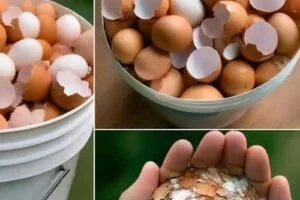
Introduction: Small Kitchen Scrap, Big Potential
Most of us crack eggs, use what’s inside, and toss the shells into the trash without a second thought. Yet eggshells are far more valuable than they appear. These lightweight, fragile shells are primarily made of calcium carbonate—a natural compound with a surprising number of practical applications.
In an era where sustainability and waste reduction matter more than ever, finding simple ways to repurpose everyday kitchen scraps can make a meaningful difference. Eggshells are an excellent place to start. Whether you’re a home gardener, DIY enthusiast, parent looking for educational activities, or simply someone who wants to reduce household waste, eggshells offer numerous eco-friendly possibilities.
Below are 17 practical and creative ways to reuse eggshells safely and effectively—turning what seems like waste into a valuable household resource.
Before You Begin: How to Prepare Eggshells for Reuse
To safely reuse eggshells, follow these simple steps:
Rinse shells thoroughly to remove egg residue.
Allow them to dry completely (air-dry or place in a low-temperature oven for 10–15 minutes).
Crush or grind depending on intended use.
Proper cleaning helps prevent odors and ensures safe handling, especially for uses in gardening, crafts, or household applications.
In the Garden
Eggshells are particularly popular among gardeners for their natural mineral content and eco-friendly benefits.
1. Enrich Garden Soil with Calcium
Eggshells contain calcium, which helps strengthen plant cell walls and supports healthy growth. Crushing shells and mixing them into garden soil allows nutrients to gradually break down and become available to plants over time.
Calcium is especially helpful for crops like tomatoes and peppers, which may experience calcium-related growth issues in deficient soil conditions.
2. Help Prevent Blossom-End Rot
Blossom-end rot in tomatoes and peppers is often linked to calcium imbalance in soil. Adding finely crushed eggshells near plant roots can contribute additional calcium to support healthier fruit development.
While eggshells are not a quick fix, consistent use in soil preparation may support long-term soil health.
3. Natural Slug and Snail Deterrent
Coarsely crushed eggshells create a rough surface that soft-bodied garden pests like slugs and snails tend to avoid. Sprinkling a ring of crushed shells around vulnerable plants may help discourage these visitors.
This method offers a chemical-free pest control alternative.
4. Create “Eggshell Tea” for Plants
Soaking crushed eggshells in water for several days can produce a calcium-infused solution sometimes referred to as “eggshell tea.” Strain and use the water for garden plants as a mild mineral supplement.
This is a gentle, natural way to provide nutrients while reducing waste.
5. Boost Your Compost Pile
Adding crushed eggshells to compost helps balance pH levels and contributes calcium and trace minerals to finished compost.
Because shells break down slowly, crushing them finely speeds up the decomposition process.
6. Seed Starters in Half Shells
Eggshell halves make biodegradable seed-starting pods. Simply fill with potting soil, add seeds, and place them in an egg carton for support.
When seedlings are ready to transplant, gently crush the shell and plant the entire unit in the soil—no plastic trays required.
7. Feed Backyard Chickens
If you keep backyard chickens, cleaned and crushed eggshells can be offered back to them as a calcium supplement. This supports strong eggshell formation.
Important: Always crush shells thoroughly so chickens do not associate whole shells with fresh eggs.
Around the House
Eggshells aren’t just for gardens—they can be helpful indoors as well.
8. Natural Scrubbing Agent
Finely crushed eggshells can act as a mild abrasive for cleaning stubborn stains from mugs, pots, pans, and sinks.
Mix crushed shells with a bit of soap and warm water for an eco-friendly scrubbing solution that avoids harsh chemicals.
9. Reduce Coffee Bitterness
Some coffee enthusiasts add a small amount of crushed eggshell to coffee grounds before brewing. The calcium carbonate may help neutralize acidity, resulting in a smoother flavor.
Rinse shells thoroughly before use and use sparingly.
10. Clean Hard-to-Reach Containers
Add crushed eggshells, warm water, and a drop of dish soap to narrow-necked bottles or vases. Shake gently—the shells help scrub interior surfaces that brushes can’t reach easily.
11. Sharpen Garden Tools (Light Maintenance)
While not a substitute for proper sharpening tools, rubbing metal garden tools lightly against crushed eggshells may help remove minor residue and polish edges.
Always handle sharp tools carefully and follow safety guidelines.
12. Deodorize Garbage Disposals
Small amounts of crushed eggshells can be run through garbage disposals to help clean internal surfaces.
Avoid large quantities at once, and check manufacturer recommendations before use.
Health & Personal Care (With Caution)
Eggshells have been explored in various health and personal care applications. However, consult a qualified healthcare professional before consuming any homemade supplements.
13. DIY Calcium Powder (Consult a Professional First)
Eggshells are composed primarily of calcium carbonate. Some individuals grind thoroughly sterilized shells into a fine powder for use as a calcium supplement.
However, dosage, purity, and safety should always be discussed with a healthcare provider before ingestion.
14. Gentle Skin Exfoliant
Finely ground eggshell powder can be mixed with natural oils to create a mild exfoliating scrub.
Always test on a small skin area first to avoid irritation.
15. Support Minor Skin Applications
Traditionally, eggshell membranes (the thin inner lining) have been used in folk remedies for minor skin applications. Scientific evidence is limited, so use caution and seek medical advice for any skin concerns.
Crafts and Educational Projects
Eggshells are also wonderful for creative expression and learning activities.
16. Mosaic Art Projects
Crushed, dyed eggshells can be used in mosaic crafts. Their natural texture adds dimension to art projects for children and adults alike.
They can be glued onto cardboard, canvas, or decorative objects to create unique designs.
17. Fun Science Experiments
Eggshells provide an engaging way to demonstrate chemical reactions. For example, placing an eggshell in vinegar shows how acid reacts with calcium carbonate. Over time, the shell dissolves, leaving behind a soft membrane—an excellent educational activity for teaching basic chemistry concepts.
This simple experiment illustrates mineral properties in a hands-on way.
Environmental Benefits of Reusing Eggshells
Repurposing eggshells contributes to broader sustainability efforts:
Reduces household waste
Minimizes landfill contributions
Encourages eco-conscious habits
Promotes natural alternatives over chemicals
While eggshells alone won’t transform environmental impact, small habits collectively make a meaningful difference.
Practical Tips for Safe Eggshell Reuse
To maximize benefits and ensure safety:
Always rinse shells thoroughly.
Dry completely before storage.
Store in airtight containers if saving for later use.
Grind finely for soil or personal applications.
Avoid overloading garbage disposals.
Consult professionals before ingesting powdered shells.
Responsible handling ensures both hygiene and effectiveness.
Frequently Asked Questions
Are eggshells safe for all plants?
Most garden plants tolerate calcium additions well, but soil testing can determine if your garden truly needs supplementation.
How long do eggshells take to decompose?
Crushed shells may take several months to fully break down in soil or compost, depending on particle size and environmental conditions.
Can eggshells replace fertilizer?
Eggshells provide calcium but lack many other nutrients plants require. They work best as a supplement, not a complete fertilizer replacement.
A Sustainable Mindset Starts at Home
Sustainability doesn’t always require major lifestyle changes. Sometimes it begins with rethinking everyday habits—like what happens to a cracked eggshell.
By reusing eggshells in your garden, home cleaning routines, crafts, or educational projects, you transform waste into a resource. This simple shift supports environmental responsibility while offering practical benefits.
The next time you prepare breakfast or bake a recipe that calls for eggs, pause before discarding the shells. With a little creativity, they can serve a second purpose—supporting healthier plants, cleaner surfaces, engaging learning experiences, and a more sustainable home.
Small changes add up. And sometimes, the most overlooked materials hold the greatest potential.